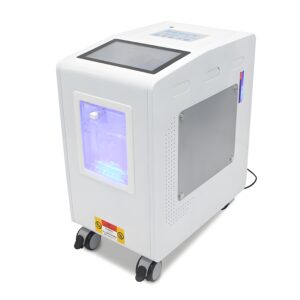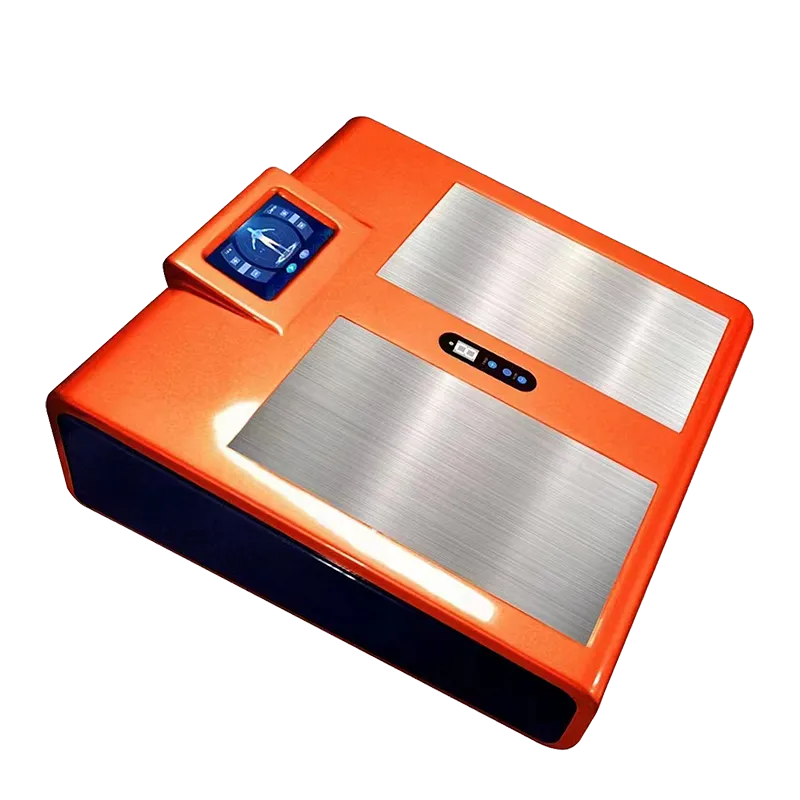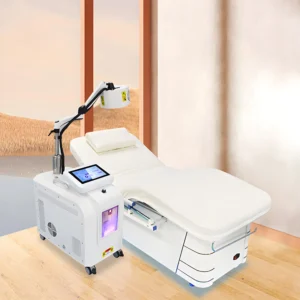

Sub-Health Assessment & Early Warning System
Advanced Functional Health Evaluation Before Disease Onset
Product Overview
The Sub-Health Assessment System is an advanced, non-invasive functional health evaluation solution designed to identify physiological dysfunctions before disease occurs.
Unlike traditional medical devices that focus on already-formed diseases, this system evaluates biological activity, organ function, metabolic balance, and regulatory systems at the pre-disease (sub-health) stage.
It provides early risk prediction, functional analysis, and health management guidance, making it a powerful tool for preventive medicine, health screening centers, clinics, and wellness institutions.
Core Concept: Disease Is a Result, Not a Cause
Modern medicine has achieved remarkable success in treating disease, yet prevention remains limited.
Scientific research increasingly confirms a fundamental principle:
Disease is the final outcome of long-term functional imbalance, not the original cause.
This system focuses on the physiological state before disease, enabling earlier intervention, better outcomes, and reduced healthcare costs.
Technology Principle
The system adopts Low-Voltage Direct Current (DC) Stimulation Induction Technology.
- 6 symmetrically placed electrodes (forehead, hands, feet)
- Continuous emission of adaptive low-voltage DC signals (1.28V)
- Average 255 signal adjustments every 3 seconds
- Completely non-invasive and radiation-free
What the system measures:
- Electrical resistance & conductivity
- pH value
- Voltage changes
- Transmembrane action potentials
- Ionic flow polarization behavior
These signals activate and reflect the electrophysiological activity of interstitial cells and organs, allowing accurate functional assessment.
Rapid Full-Body Functional Assessment
- Test duration: 5–8 minutes
- Coverage: Whole body
- Evaluation level:
- System level
- Organ level
- Tissue level
- Cellular functional activity
Through advanced mathematical and physical modeling, data is digitized and reconstructed in 3D functional models, providing a comprehensive overview of the body’s functional state.
System Capabilities
- 12 auxiliary functional systems
- 200+ functional indicators & parameters, including:
- Organ activity values
- Biochemical metabolism
- Electrolytes
- Neurotransmitters
- Hormones
- Interstitial blood gases
- Acid-base balance
- Free radicals
The system automatically performs:
- Risk assessment
- Risk grading
- Trend analysis
- Health guidance recommendations (10 major systems)
What Makes This System Different
Compared with Traditional Medical Devices:
- Focuses on functional change, not structural damage
- Detects abnormalities before symptoms appear
- Evaluates areas not covered by conventional imaging or lab tests
- Supports dynamic monitoring, not one-time diagnosis
Application Scope
Health Screening & Prevention
- Comprehensive functional health examinations
- Early detection of hidden risks and functional decline
- Whole-body directional scanning
Chronic Disease Risk Evaluation
- Hypertension cause analysis & medication guidance
- Diabetes risk prediction and metabolic evaluation
- Early screening for kidney and liver fibrosis (non-invasive)
Advanced Functional Monitoring
- RAAS system activation analysis
- Autonomic nervous system activity
- Lymphatic system function
- Neurotransmitter and hormone monitoring
Treatment Evaluation
- Tumor treatment effect evaluation
- Monitoring adverse reactions from:
- Drug therapy
- Radiotherapy
- Biological therapy
- Gene therapy
- Chemotherapy
Functional Analysis Advantages
- Early detection: Identifies dysfunction at the functional stage
- Health tracking: Monitors changes over time
- Difficult cases support: Useful where traditional diagnostics fail
- Comprehensive screening: Especially effective for hard-to-detect systems
Key Features (8 Core Advantages)
- Early-stage functional detection
- Fast results (real-time output)
- Non-invasive & painless
- Dynamic monitoring capability
- Comprehensive system coverage
- High accuracy & reduced error
- Cost-effective for large-scale screening
- Absolute safety (no radiation)
Detection Content Overview
Biochemical & Metabolic
- Lipid metabolism
- Liver function
- Glucose metabolism
- Triglycerides, ALT, AST, ALP, GGT
- Blood glucose, LDL
Electrolytes
- Potassium (K)
- Sodium (Na)
- Calcium (Ca)
- Magnesium (Mg)
- Iron (Fe)
- Chloride (Cl)
Interstitial Blood Gas & Acid-Base Balance
- iPCO₂, iPO₂
- iPH, iSBE
- Hydrogen ion concentration
Oxidative Stress & Free Radicals
- Peroxynitrite (iONOOH)
- Nitric oxide (iNO)
- Hydrogen peroxide (iH₂O₂)
- Superoxide anion (iO₂⁻)
- Hydroxyl radical (iOH)
Nervous & Endocrine System
- Acetylcholine
- Catecholamines
- Dopamine
- 5-HT
- Cortisol
- Aldosterone
- Thyroid-related hormones
- Adrenal hormones
Typical Risk Assessment Applications
Hypertension Risk Assessment
Predicts blood pressure trends without direct blood pressure measurement, based on:
- Hormonal regulation
- Cardiovascular functional status
- Autonomic nervous system activity
Diabetes Risk Assessment
- Glucose metabolism analysis
- Insulin secretion capacity
- Pancreatic functional activity
- Liver glycogen synthesis
Variant Disease Risk Assessment
- Early detection of abnormal functional changes
- Evaluation of intervention effectiveness
Renal Disease Risk Assessment
- Early renal functional changes
- Fibrosis risk identification
- RAAS system activation analysis
Health Guidance Output
The system provides actionable health management recommendations, including:
- Acupuncture & meridian guidance
- Traditional Chinese medicine reference
- Bioelectrical regulation
- Dietary advice
- Micronutrient supplementation
- Rehabilitation and follow-up examination suggestions
Ideal For
- Health management centers
- Preventive medicine institutions
- Medical examination centers
- Rehabilitation clinics
- Wellness & longevity centers
- Research institutions