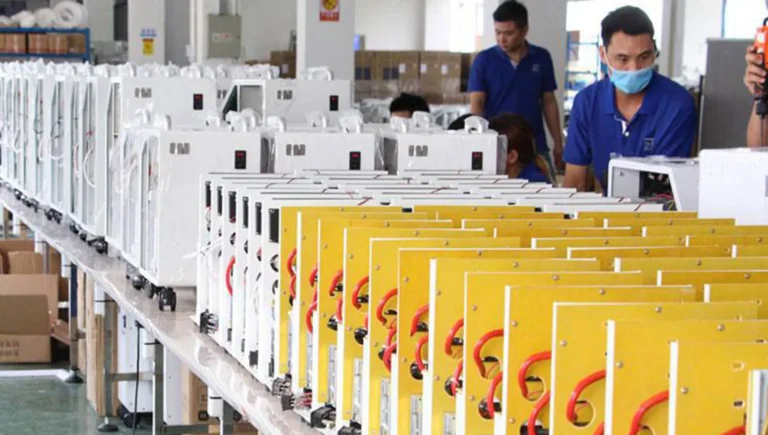
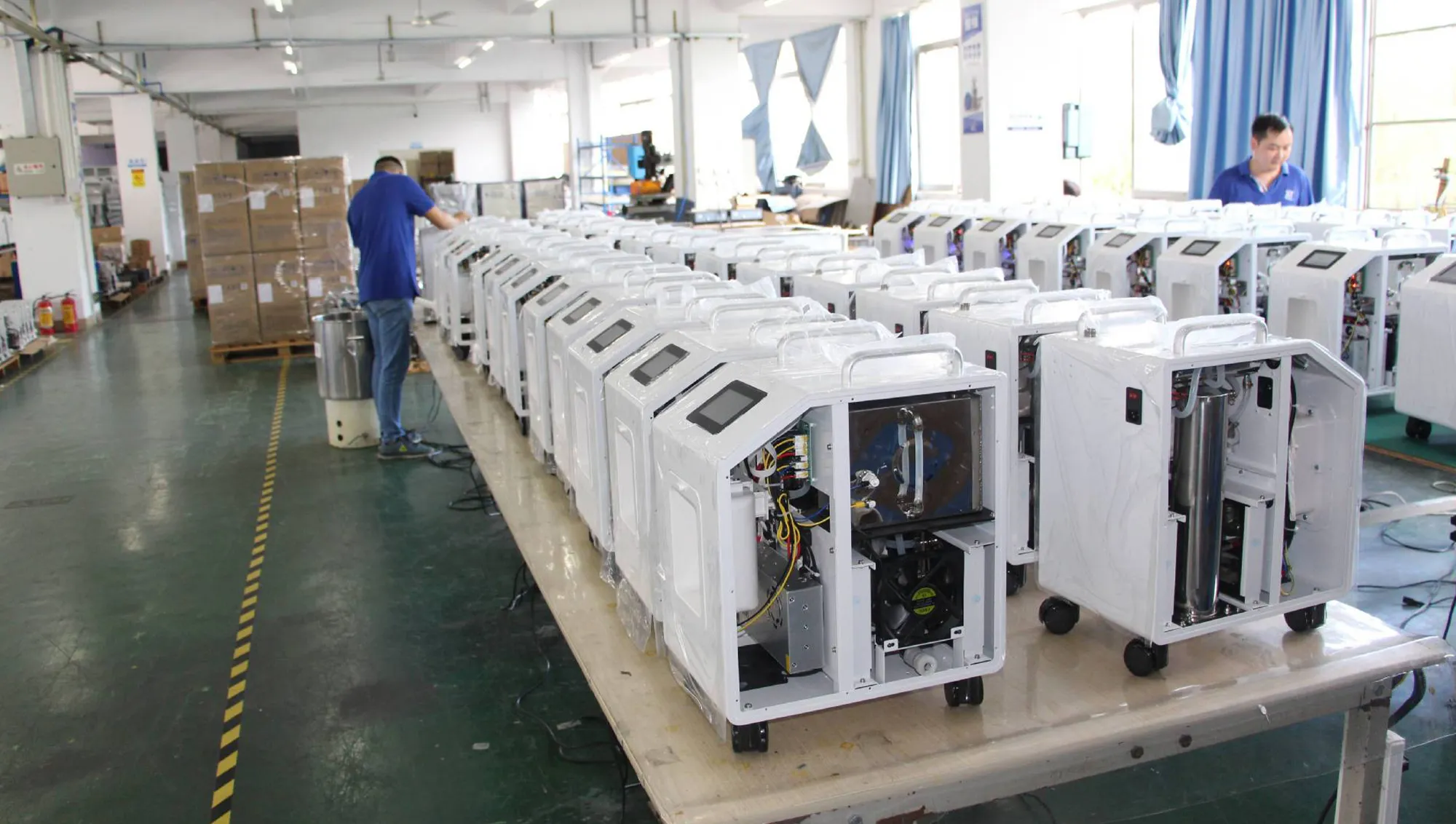
The best hydrogen inhalation machine for your project is the one that matches a defined equipment brief. A compact unit, a floor-standing high-flow system and an integrated system solve different sourcing needs. Comparing only a headline flow number leaves important questions unanswered.
For wellness businesses, distributors and brand owners, a useful comparison includes the exact model and version, available functions, operating requirements, supporting documents and after-sales arrangements. This guide helps you build that comparison without treating equipment specifications as evidence of a health outcome.
Start with the Requirement That Separates the Formats
Choose which format to investigate first: a compact multifunctional package, a specified high-flow version, or an integrated unit with a light module. Then use the product links below to check the documented configuration. Keep placement, accessories, documents and support in the same comparison; a single flow figure cannot answer the whole buying question.
1. Define the project before choosing a machine
Start with the business and equipment requirements you can describe. Where will the unit be placed? Does it need to move between rooms? Which functions are essential? Are you purchasing one evaluation unit or preparing a branded order? Record your destination market and electrical requirements before asking suppliers for proposals.
- List the functions you need and separate them from optional accessories.
- Measure the proposed equipment space and consider access for operation and maintenance.
- State the estimated quantity, sample needs and preferred delivery window.
- Identify required documentation and any branding or packaging requests.
A written brief makes quotations easier to compare. It also prevents a supplier from substituting a different version without making the change clear.
2. Compare three equipment formats
| Format | Lester example | What to review |
|---|---|---|
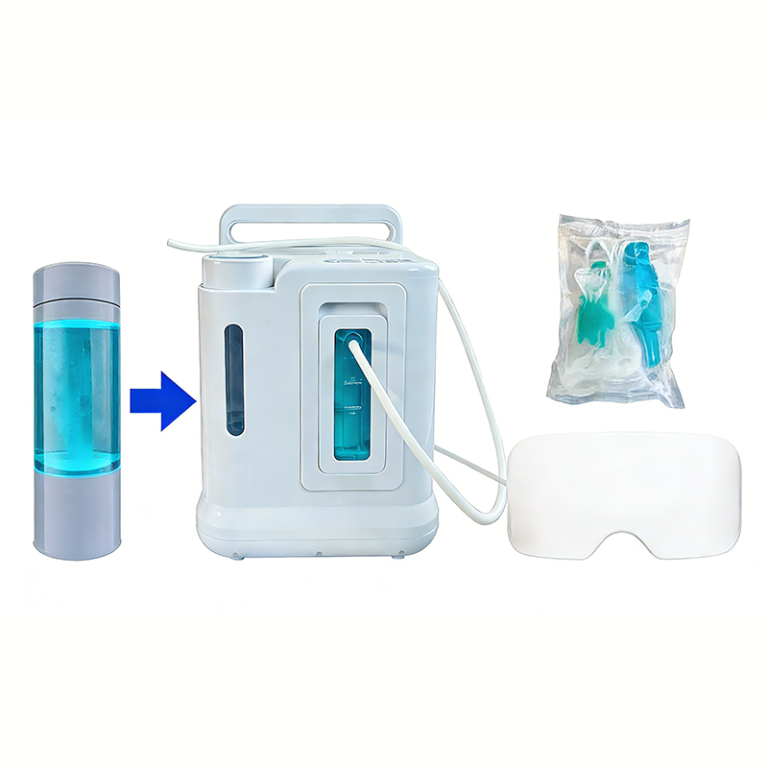
| Portable | QM-300DG portable hydrogen inhaler: compact equipment with a 4.3-inch touchscreen and hydrogen-rich water preparation function. | Required functions, accessories, dimensions, water requirements and the selected package. |
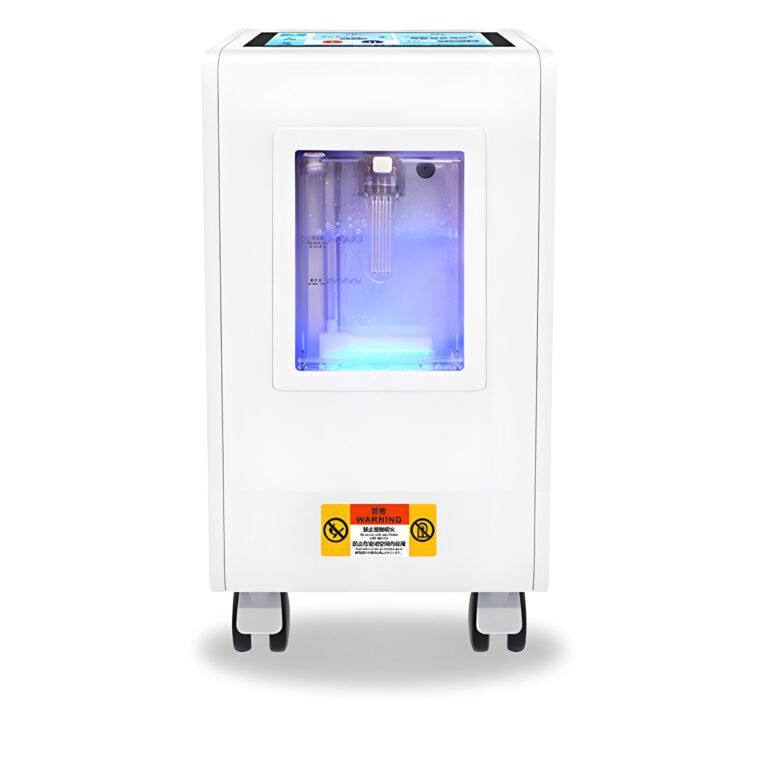
| High-flow | High-flow hydrogen-oxygen system: separate 1500 ml/min and 3000 ml/min versions, with touchscreen control and built-in humidification. | The quoted flow version, complete specification, electrical configuration and maintenance information. |
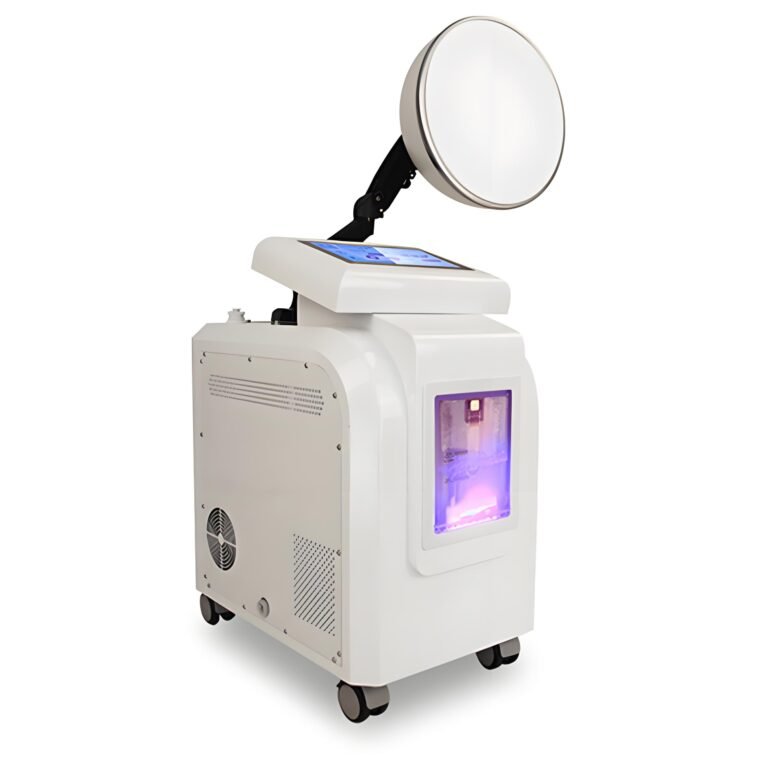
| Integrated | Integrated hydrogen-oxygen system: a wheeled floor-standing format with an adjustable light module. | The included module and accessories, placement needs and complete technical information for the chosen configuration. |
These are equipment examples, not a ranking of treatment performance. The high-flow versions are separate configurations; do not assume that every unit switches between both ratings. For the integrated format, request the specific module information rather than inferring its parameters from a photograph.
3. Check how specifications are defined
Ask for a specification sheet that identifies the exact model, version and package. A value such as flow needs a clear description of what is measured, under which conditions and for which configuration. If a brochure includes gas composition or purity claims, request the supporting report and confirm that it matches the unit you are considering.
A higher stated flow does not by itself establish a better health result. Likewise, a touchscreen or an additional accessory is an equipment feature, not proof of medical efficacy. Make your shortlist around the requirements you can verify.
- Exact model and version, with photographs matching the quoted equipment.
- Functions and accessories included in the package.
- Electrical configuration, dimensions and weight.
- Operating instructions, water requirements and maintenance guidance.
- Relevant test or certification documents with model correspondence.
4. Read hydrogen inhalation machine reviews critically
When reading hydrogen inhalation machine reviews, look for the reviewed model, its configuration, the date and the basis for each conclusion. An attractive unboxing video may show the controls and package contents, but it does not establish long-term reliability or a clinical outcome.
Useful review information describes what was actually inspected: supplied accessories, interface behavior, setup materials and the support process. Separate those observations from personal health stories. If a reviewer reports a measured specification, check the method and whether the reviewed version is the one being offered.
5. Review documents and support before ordering
Request the operating manual and the available supporting documents for your model and destination market. Check the named applicant or manufacturer, the covered model, the issuing organization and the scope of the document. A historical report for a different model or company is not sufficient on its own.
Also ask how warranty requests are handled, what maintenance information is supplied, which replacement items can be ordered and what the quotation excludes. Keep the agreed terms with your model and order records.
6. Turn the shortlist into a comparable quotation
Send the same brief to each supplier. Ask them to identify the unit price, quantity, included accessories, customization, shipping basis and warranty terms. Compare matched configurations before comparing totals. Our hydrogen inhalation machine price guide explains how to structure that cost comparison.
For branded projects, see OEM and ODM options. QM-300DG has model-specific screen logo, interface, program and packaging customization options; confirm the scope for other models separately.
Buyer questions
Is a portable machine automatically the best choice?
No. Portability is one requirement. Compare the functions, configuration, placement and support needs of your project before selecting a format.
Should the highest flow rating decide the purchase?
No. First confirm what the rating describes and compare it with your equipment requirements. Do not use flow alone to make a health-performance claim.
What should I request before approving an order?
Request the exact specification, package list, operating information, available documents and written commercial and after-sales terms.
Build your equipment shortlist
Explore the Lester product center and send our team your market, equipment interests, quantity and configuration requirements. Include the questions you still need answered. Request a model-specific quotation.